
The Nervous System & Emotional Regulation
Understanding your nervous system is the first step toward building emotional resilience, healthier relationships, and a greater sense of safety within yourself and your community.
Understanding the Nervous System & Emotional Regulation
Learning how our bodies respond to stress, safety, and connection.
Our nervous system influences nearly every aspect of our daily lives; from how we think and feel to how we respond to challenges, build relationships, and experience the world around us.
Many of the emotional and physical responses we experience are not signs that something is wrong with us. They are adaptive responses that developed to help us survive, protect ourselves, and navigate life's experiences.
By learning how the nervous system works, we can begin replacing self-criticism with curiosity, understanding, and compassion. This awareness allows us to recognize our needs earlier, respond more intentionally, and build greater emotional resilience over time.
The Stress Response
Our nervous system is constantly scanning our environment for cues of safety, danger, or threat. When it detects stress or potential danger, it automatically activates protective survival responses. These responses are not choices. They are automatic adaptations designed to help keep us safe.
Fight
When the body prepares to confront a threat.
You might notice:
-
Irritability or anger
-
Defensiveness
-
Frustration
-
Muscle tension
-
A strong urge to regain control
Flight
When the body prepares to escape or avoid danger.
You might notice:
-
Anxiety
-
Racing thoughts
-
Restlessness
-
Difficulty slowing down
-
Overworking or staying constantly busy
Freeze
When the body becomes overwhelmed and temporarily "shuts down."
You might notice:
-
Feeling stuck
-
Difficulty making decisions
-
Brain fog
-
Numbness
-
Feeling disconnected from yourself or others
Fawn
When the body attempts to stay safe by prioritizing the needs of others.
You might notice:
-
People-pleasing
-
Difficulty saying no
-
Fear of disappointing others
-
Ignoring your own needs
-
Seeking approval to avoid conflict
These responses are not personality traits or weaknesses. They are protective strategies your nervous system has learned over time.
How Chronic Stress Affects Our Lives
Stress is a normal part of life. However, when stress becomes chronic and the nervous system has limited opportunities to recover, it can begin affecting many areas of our well-being.
Chronic stress may contribute to:
-
Increased anxiety and emotional overwhelm
-
Difficulty concentrating or making decisions
-
Irritability or emotional reactivity
-
Sleep difficulties
-
Fatigue or burnout
-
Relationship conflict
-
Feeling disconnected from yourself or others
Our nervous systems are remarkably adaptable, but they also need opportunities for rest, connection, and recovery.
Recognizing Your Emotional State
One of the most important regulation skills is learning to notice what is happening before stress becomes overwhelming.
Ask yourself:
-
What sensations do I notice in my body?
-
What emotions am I experiencing?
-
What thoughts keep repeating?
-
What does my nervous system need right now?
-
Do I need movement, rest, connection, or quiet?
The earlier we recognize our internal experiences, the easier it becomes to respond with intention rather than react automatically. Awareness is the first step toward regulation.
Returning to Safety & Balance
Regulation is not about forcing yourself to feel calm all the time. It is about helping your nervous system recover from stress and return to a place where you can think clearly, connect with others, and respond intentionally.
Helpful regulation practices include:
-
Slow, steady breathing
-
Gentle movement or stretching
-
Spending time in nature
-
Mindfulness or meditation
-
Talking with someone you trust
-
Resting when your body needs recovery
-
Engaging in creative activities
-
Practicing self-compassion
Different tools work for different people. The goal is to build a personal toolkit that supports your unique nervous system.
Why Understanding the Nervous System Matters
When we understand how the nervous system works, we begin to see ourselves differently.
Instead of asking: "What's wrong with me?"
We can begin asking: "What happened to me?"
Or even, "What is my nervous system trying to tell me?"
This shift helps reduce shame and opens the door to greater compassion, healing, and resilience. Understanding the nervous system also helps us recognize that healing is not simply about changing our thoughts. It is about caring for our whole selves through supportive relationships, healthy environments, and experiences of safety.
Key Takeaways
✔ Your nervous system is designed to protect you, not work against you.
✔ Fight, flight, freeze, and fawn are natural survival responses.
✔ Chronic stress can affect emotions, relationships, decision-making, and physical health.
✔ Awareness is the first step toward emotional regulation.
✔ Regulation is not about eliminating stress. It is about building the capacity to return to balance.
✔ Healing becomes more possible when we replace shame with understanding and experience safety through connection.
References
American Psychological Association. (2023). Stress effects on the body.
Dana, D. (2021). Anchored: How to Befriend Your Nervous System Using Polyvagal Theory.
Porges, S. W. (2011). The Polyvagal Theory.
Siegel, D. J. (2020). The Developing Mind.
van der Kolk, B. A. (2014). The Body Keeps the Score.
Recommended Reading

Anchored: How to Befriend Your Nervous System Using Polyvagal Theory
Deb Dana, LCSW
One of the most accessible introductions to understanding your nervous system. Deb Dana explains Polyvagal Theory in practical language and provides exercises to help readers recognize nervous system states and cultivate greater feelings of safety and connection.
Topics: Polyvagal Theory, emotional regulation, nervous system states, co-regulation
Best for: Beginners

The Body Keeps the Score: Brain, Mind, and Body in the Healing of Trauma
Bessel van der Kolk, M.D.
A foundational book exploring how stress and trauma affect the brain and body. Dr. van der Kolk explains why our nervous systems respond the way they do and highlights research-supported approaches to healing.
Topics: Trauma, stress, brain-body connection, resilience
Best for: Anyone interested in understanding how experiences shape the nervous system

What Happened to You? Conversations on Trauma, Resilience, and Healing
Bruce D. Perry, M.D., Ph.D., & Oprah Winfrey
Rather than asking, "What's wrong with you?" this book explores how life experiences shape our brains, behaviors, and emotional responses. Written in an approachable conversational style, it introduces neuroscience through real-life stories.
Topics: Stress, trauma, resilience, emotional development
Best for: Beginners

The Polyvagal Theory: Neurophysiological Foundations of Emotions, Attachment, Communication, and Self-Regulation
Stephen W. Porges, Ph.D.
The foundational text introducing Polyvagal Theory. While more technical than other books on this list, it provides the scientific framework for understanding how the nervous system responds to safety, danger, and connection.
Topics: Autonomic nervous system, neuroception, vagus nerve, self-regulation
Best for: Advanced learners

The Developing Mind: How Relationships and the Brain Interact to Shape Who We Are
Daniel J. Siegel, M.D.
Explores how relationships influence brain development, emotional regulation, and resilience throughout the lifespan. This book bridges neuroscience, psychology, and interpersonal relationships.
Topics: Brain development, attachment, emotional regulation, resilience
Best for: Readers who want a deeper understanding of the science
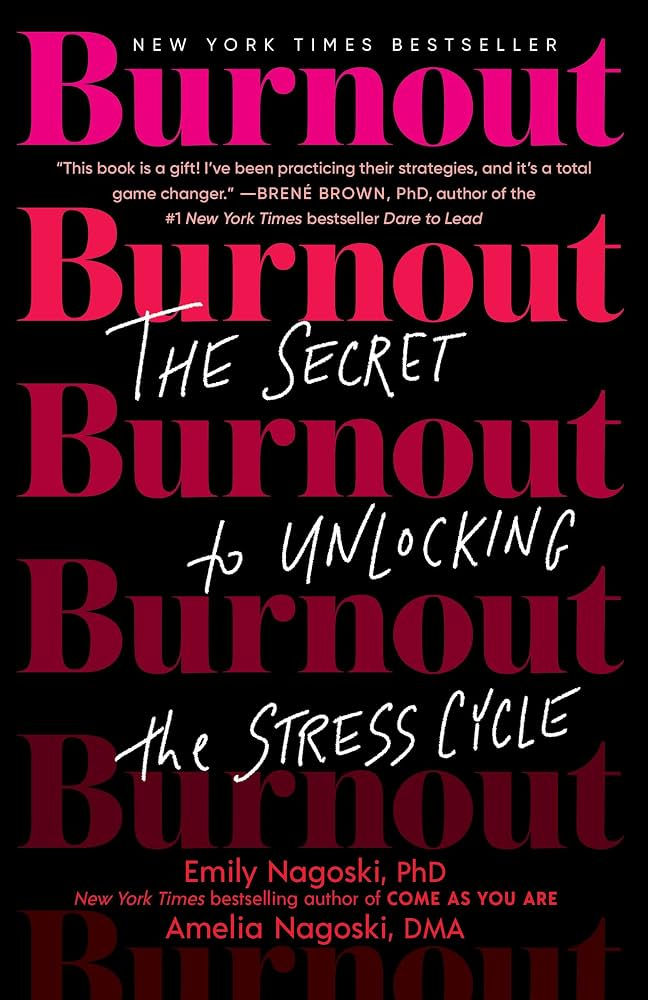
Burnout: The Secret to Unlocking the Stress Cycle
Emily Nagoski, Ph.D., & Amelia Nagoski, DMA
An engaging and practical guide to understanding chronic stress and how to help the body recover. The authors explain why stress builds up and offer evidence-informed strategies for completing the stress response cycle.
Topics: Chronic stress, emotional regulation, recovery, resilience
Best for: Anyone experiencing chronic stress or burnout

Why Zebras Don't Get Ulcers
Robert M. Sapolsky, Ph.D.
A classic book that explains the biology of stress in an engaging and accessible way. Sapolsky explores how chronic stress affects the brain, body, and overall health, making complex neuroscience understandable for general readers.
Topics: Stress physiology, chronic stress, health, resilience
Best for: Readers interested in the science of stress